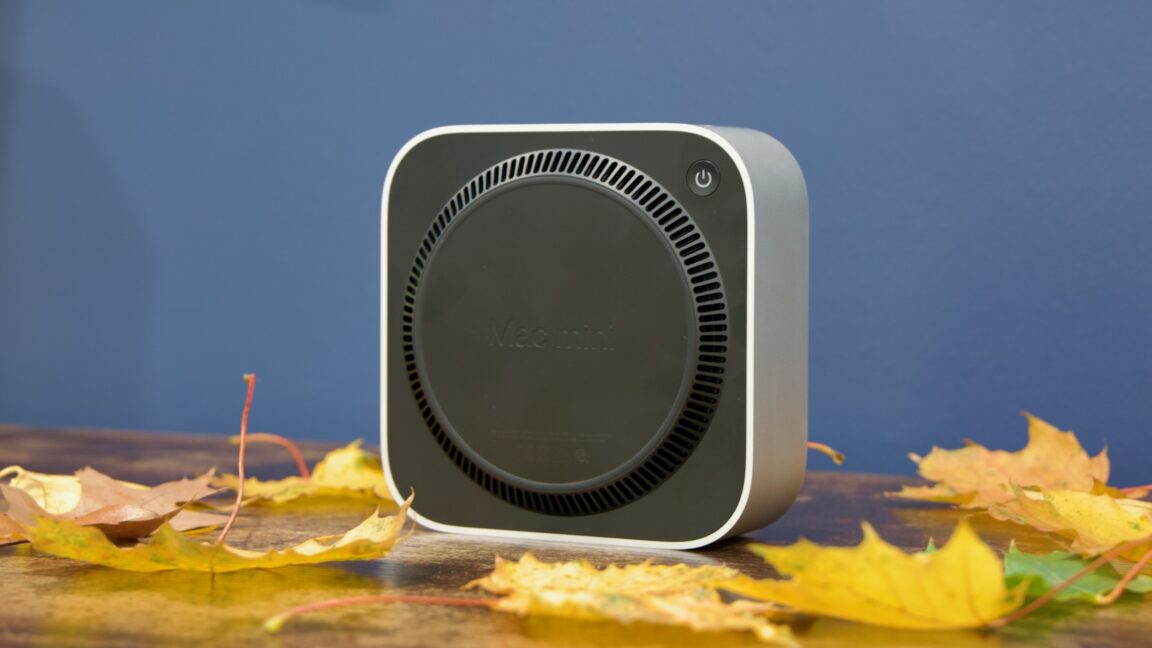
It's a good time to be in the market for a MacBook, between the affordability of the MacBook Neo, the power of the M5 Pro and M5 Max MacBook Pros, and the all-around appeal of the M5 MacBook Air. But Apple's desktop computers are another story, and not just because they're all about due for their own M5 upgrades.
Over the last few months, the Mac mini and the Mac Studio have gradually become harder to buy. The 512GB M3 Ultra Mac Studio was removed from Apple's website, and other models of both desktops have seen their ship times slip from days to weeks to months. In the last couple of weeks, several other configurations of Mac mini and Studio have begun showing up as "currently unavailable" on Apple's website, which virtually never happens even when Apple is planning an imminent hardware refresh.
This week (as spotted by MacRumors), the baseline $599 M4 Mac mini, which offers 16GB of RAM and 256GB of storage, earned the "currently unavailable" label for the first time.
You can still place orders for most Mac mini models. An M4 Mac mini with 512GB or more of storage and either 16 or 24GB of RAM will take between 5 and 12 weeks to arrive, depending on the specific configuration you buy. M4 Pro Mac minis with any storage configuration and either 24GB or 48GB of RAM will take a similar amount of time to arrive, with most models showing availability within 10 to 12 weeks.
All M4 Mac minis with 256GB of storage, all M4 minis with 32GB of RAM, and all M4 Pro Mac minis with 64GB of RAM are listed as "currently unavailable." Mac Studio models with 128GB or 256GB of RAM are also listed as "currently unavailable." Other Studio configurations list the same five- to 12-week wait times as the minis.
This does not seem to be an issue specific to the M4 chip generation; most M4 iMac configurations, including those with 32GB of RAM, will arrive at your door within a week or two of being ordered. It's also not being caused exclusively by ongoing RAM and shortage storages—new MacBook Pros with 128GB of RAM and large SSDs will arrive within two or three weeks of being ordered.
The stock situation for the Mac mini and Studio is also different from the longer-than-usual ship times affecting the MacBook Neo. The Neo's popularity pushed its ship times on Apple's website into the two- to three-week range shortly after it went on sale. But the shipping window has also stayed within that two-to-three-week range through all of March and April rather than slipping further. And the Neo is still readily available from third-party retailers like Amazon and Best Buy; most Mac mini and Mac Studio configurations are also sold out on these third-party sites.
Why the delays?
So why are these Macs, specifically, becoming so difficult to buy? It's likely a confluence of factors.
The main one is that, again, we're expecting refreshes for all of this hardware later this year, based on reporting from people with reliable track records. Historically, slipping ship times have been a pretty good indicator that a refresh is coming soon, as Apple winds down manufacturing for one device and ramps up production for another. Apple usually tries to limit the amount of manufactured-but-unsold inventory in its retail channels, at least partly because it doesn't want to have tons of outdated stock on hand when it decides to update its hardware.
This "pretty normal for Apple" situation is likely being compounded by the ongoing AI craze. Data center demand for RAM and storage chips is one aspect; the other is that the Mac mini and Studio are both fast and cost-effective options for people trying to run locally hosted AI agents like OpenClaw. This is partly because of Apple Silicon's unified memory architecture, which gives both CPU and GPU access to a 16GB-or-larger pool of RAM; Apple's hardware is also generally faster and more power-efficient than similarly priced mini PCs.
Whatever the reason for the current shortages, we'd advise holding off on any Mac desktop purchase for now if you can. Based on the availability of Apple's other Macs, iPads, and iPhones, we'd expect the stock situation to improve soon after new models are introduced. The biggest question is whether these updates are imminent or if we'll be stuck waiting until this summer or fall.
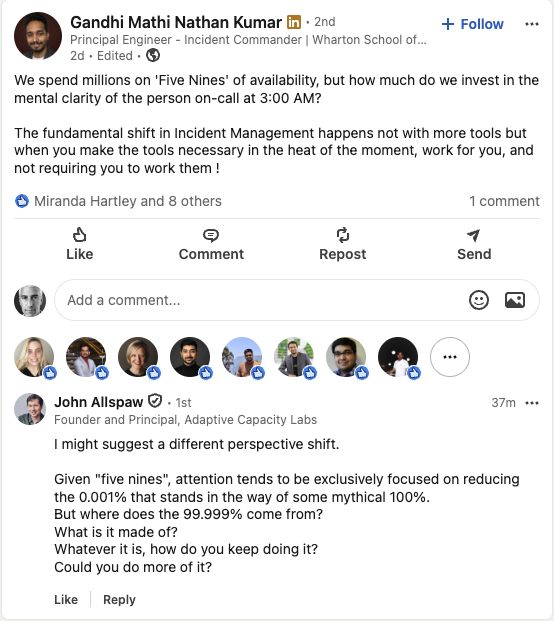
Here’s a recent comment on LinkedIn from John Allspaw, on a post by Gandhi Mathi Nathan Kumar about availability.
Allspaw’s comment is a succinct description of a safety model proposed by the Danish resilience engineering researcher Erik Hollnagel: Safety-II. Hollnagel has described Safety-II in his book Safety-I and Safety-II: The Past and Future of Safety Management, as well as in white papers aimed at aviation and medical audiences. The book and white papers are all quite approachable, and I recommend checking them out.
Hollnagel’s observation is simultaneously trite and surprising: most of the time our systems are succeeding; incidents are the exception, not the norm. After all, this is why we measure availability in nines. The traditional approach to safety, what Hollnagel calls Safety-I, is to try to reduce the bad stuff, the work that leads to incidents. Hollnagel asks us to think about things differently: what if, instead, we focused on cultivating the good stuff: the everyday work that is consistently preventing accidents? There’s a lot more good stuff happening than bad stuff! Or, as my former colleague Ryan Kitchens put it, instead of asking why do things go wrong, it’s more productive to ask how do things go right?
In Hollnagel’s Safety-II model, the normal work that people in your organization do everyday is actively creating safety. Or, as the American organizational psychologist Karl Weick put it in his 1987 paper Organizational culture as a source of high reliability, reliability is a dynamic non-event. That is, the work is explicitly positive, and by the nature of this work, people are constantly doing work that is preventing incidents from happening. However, this work isn’t able to prevent all incidents, which is why they still happen. But taking Safety-II seriously means trying to understand how it is that normal work prevented previous incidents, rather than just trying to understand how it failed to prevent the last one. In Hollnagel’s words, the purpose of an investigation is to understand how things usually go right as a basis for explaining how things occasionally go wrong.
Focusing on the scenarios where things go right is a radical reframing of the problem, so much so that it is a genuinely strange idea, something that violates our intuitions about how systems break. We operate under a baseline, unspoken assumption that reliability is a passive thing, that the default behavior of a system is to stay up, and that somebody needs to actively do something wrong in order to cause the system to break. In other words, we view the day-to-day work people in the system do as a potential threat to reliability. And then, when an incident happens, we try to identify the bad work that broke the system.
If we were to take Safety-II seriously, we’d have to focus on how people adapt their work. It means seeing that people change how they do their work based on the pressures that they are currently facing and the constraints that they are under. More importantly, it means that we have to acknowledge that these adaptations are usually successful. If you only look at these adaptation within the context of an incident, and try to improve reliability by preventing these adaptations, it’s like believing you can figure out how to win the lottery by examining the behaviors of lottery winners. Sure, you can identify patterns among the behavior of lottery winners. But there are even more folks who lose the lottery who exhibit those behaviors, you’re just not looking at those. Note, though, how much this goes against the way people think about how incidents happen.
Safety-II is also challenging to adopt because organizations are simply not used to studying the normal work that goes on in an organization in order to answer the question, “what work is going particularly well, and how can we do more of it?” The closest we probably get is shadowing that happens when new employees join. We do have developer experience surveys, but those focus specifically on problems with existing tooling. I don’t know of any reliability organization at any tech company out there that takes a Safety-II approach and spends time understanding what’s happening when it looks like there’s nothing happening. Perhaps they’re out there, but if they are, they aren’t writing about this work. The one exception to this is the resilience in software folks, but even with us, we’re generally focused on shifting the emphasis of post-incident examination of work, rather than examining work outside of the context of incidents.
Now, attention is a limited resource in an organization, and incidents win the attention of an organization because they are troubling by their nature. Because attention is limited, if all the indicators are currently green, that’s taken as a sign that we can safely spend our attention budget elsewhere. In the tech industry, we also don’t have great models for how to study normal work within an organization, because nobody seems to be doing it. Or, if they are, they aren’t writing about it. In his Safety-II book, Hollnagel recommends doing interviews and field observations. In tech, field observations are trickier because the majority of our work is effectively invisible; we do our work alone at a computer. We can observe interactions over channels like Slack and Zoom, but that’s only part of the story. I suspect that interviews are our best potential source of information here. And then we need to take what we’ve learned from the interviews and use those insights to improve reliability by amplifying what’s already working well. That’s not something we have experience with.
It’s no surprise, then, that Safety-II hasn’t caught on our field. It cuts against our intuitions about the nature of complex systems failure, and we don’t have good public examples to work from about this. We resilience in software folks are trying to push the industry in this direction with trying to get people to think differently about what we can get out of incident analysis, and that’s probably our best bet right now. But we have a long way to go.
What's new: The 2026 Honda Accord carries over largely unchanged from 2025.
Why it matters: The Accord's roomy interior and large trunk make it as family friendly as ever.
Edmunds says: The Accord still lacks a sporty engine option, which its awesome chassis deserves.
The 2026 Honda Accord remains a real heavyweight in the realm of midsize sedans. It boasts a fantastic blend of comfort, style, efficiency and driving dynamics that are still hard to match in an SUV without spending a lot more money. Sedans in general are becoming rarer with every passing year, but the Accord soldiers on in quiet excellence nevertheless.
The 2026 Honda Accord's score places it right in line with its chief rival, the 2026 Toyota Camry. We love the Honda's clean design, less busy interior and excellent ride.
How does the Honda Accord drive?
Driving experience: 8/10
The Accord Sport-L, with its hybrid powertrain, maximizes fuel efficiency without sacrificing performance. In our testing, the Accord-L dashed from 0 to 60 mph in 7 seconds, about 1 second quicker than most rival midsize hybrids. Our test car came with 19-inch wheels yet still offered a wonderful and comfortable ride, easily soaking up major bumps and bruises without issue. The EX-L trim, with its smaller wheels, should be even better. The thin windshield pillars and huge rear window offer plenty of visibility and add to driver confidence.
The Honda Sensing collection of driving aids is well sorted, although the lane keeping system can be overly intrusive at times. We appreciated the ease of activating adaptive cruise control with just a simple press of a button on the steering wheel.
Is the Honda Accord comfortable?
Comfort: 7.8/10
The Accord's big door openings make getting in and out a breeze, although taller rear passengers may need to duck slightly to clear the sloping roofline. Headroom in both rows is fantastic. Some of our drivers took issue with the Accord's driver's seat, however. Some thought it could use more padding for better comfort on long drives, and a few of our taller editors thought it could use more legroom.
The Accord's interior features a simple center stack with big no-nonsense buttons and knobs, and the climate control system is more than adequate to heat and cool the car. Ample insulation does a good job of keeping unwanted noise out of the cabin, and you'll rarely hear the engine except when pushed hard. For car seats, LATCH anchors are near the rear seat surface, located under clearly marked flaps. The rear bench is wide and spacious enough to accommodate multiple seats.
How's the Accord's tech?
In-cabin tech: 9/10
How’s the tech? Our test car had the available 12.3-inch touchscreen, which looks sharp and includes wireless Apple CarPlay and Android Auto smartphone integration. Honda also offers Google voice assistant and services integration, but only on the top Touring trim. That feels like unnecessary gatekeeping since it's a helpful tech feature that could really improve the ownership experience for people who buy less expensive Accords.
How's the storage & cargo space?
Storage & cargo: 9.5/10
With 16.7 cubic feet of trunk space, there's an abundance of room for your things. Even long items like a golf bag will fit without any fuss. The generously sized center console swallows smaller items and personal effects, and multiple cupholders are spacious enough to handle large water bottles securely.
Is the Accord a good value?
Value: 6.7/10
As a value proposition, the Accord is a tale of two competing truths. On one hand, the overall build quality matches the best of its rivals. We found no squeaks, rattles, panel gaps or cheap materials to complain about. This car feels like it will stand the test of time and endure the daily rigors of family life without issue. On the other hand, the Accord's less expensive trim levels are light on features given the price. A comparable Hyundai Sonata, for example, comes with more features for less money.
Honda's warranty is pretty typical with three-year/36,000-mile basic and five-year/60,000-mile powertrain coverage. Roadside assistance is standard for the life of the basic warranty.
How's the fuel economy?
MPG: 9/10
The Accord lineup ranges from an EPA-estimated 32 mpg combined for the base model to 48 mpg combined for the hybrid with the smaller 17-inch wheels. We tested the Accord Sport-L, which has larger 19-inch wheels and gets an EPA-estimated 44 mpg combined. We recorded 41.5 mpg on our real-world evaluation route. That's short of its EPA figure and also shy of other midsize hybrids we've tested on the same route, but overall this is still a pretty efficient sedan.
Is the Honda Accord special?
X factor: 9/10
The Accord remains Honda's flagship sedan, but it no longer feels like a focus of innovation. Its wow factor seems limited to its solid build quality and efficient powertrain, though we wouldn't call either particularly exciting. A stronger dose of personality and more stand-alone options would go a long way toward making the Accord a standout favorite in the segment. Still, the Accord feels like it will make an excellent companion vehicle and never leave you feeling like you should have spent more for a luxury brand or bought an SUV.
On today’s episode, host Kate Lindsay is joined by Slate senior writer Scaachi Koul to discuss the downfall of Katy Perry. Back in 2025, Scaachi wrote a feature about the singer’s descent from beloved pop star to internet meme, but a recent allegation of sexual assault from actress Ruby Rose has cast her legacy in a whole new light. But in revisiting Katy Perry’s past fifteen years, it turns out the real question is: Did Katy Perry change, or did we?
This podcast is produced by Vic Whitley-Berry, Daisy Rosario, and Kate Lindsay.
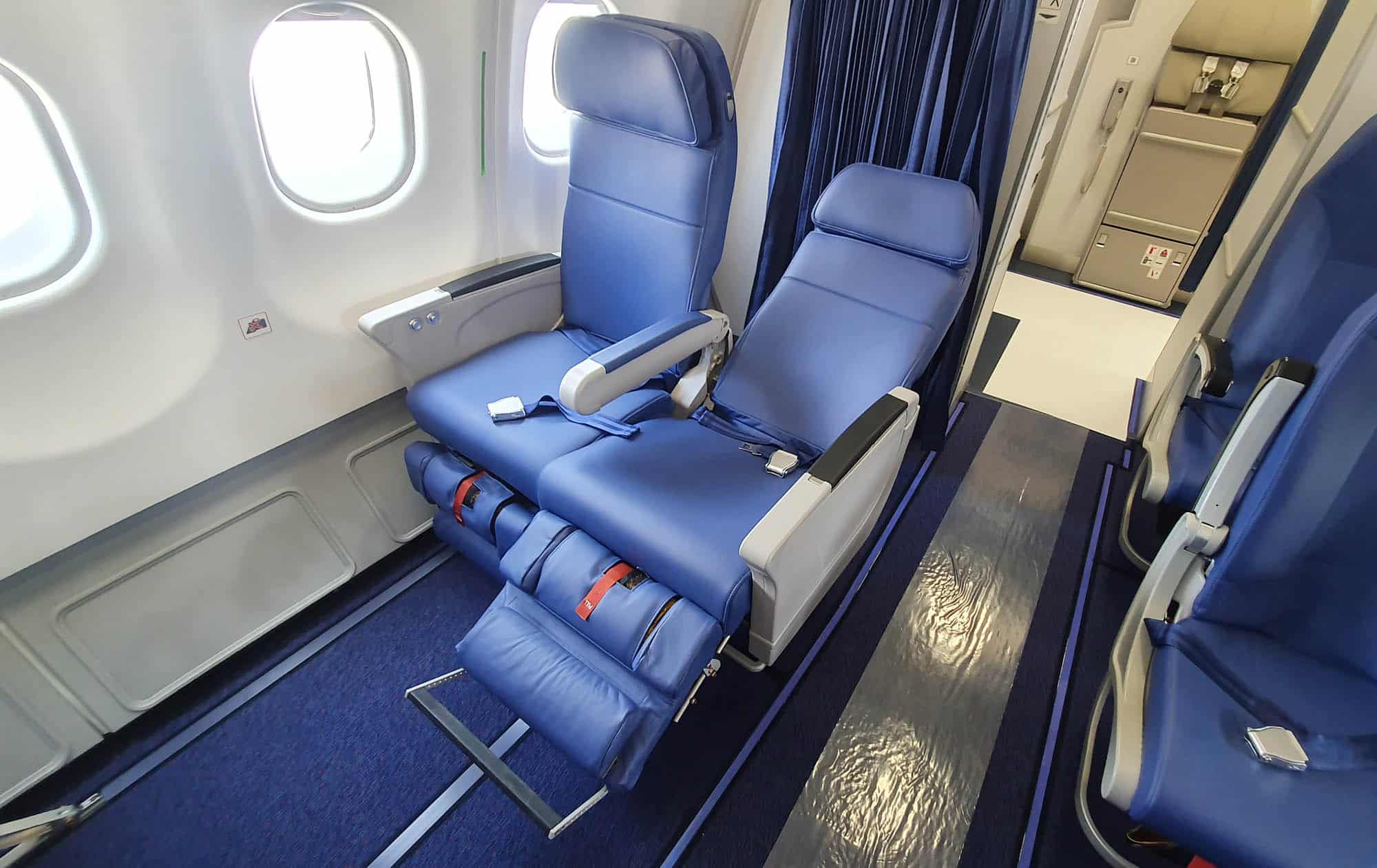
I always liken riding in an airplane to living in a neighborhood. Except instead of having some walls and maybe a yard to separate you and your neighbors, you’re right next to and behind each other… in a small cylindrical tube high above the sky. Just like with neighbors, there are certain etiquette rules that make living, or in this case flying, with each other more pleasant. When it comes to airplane travel etiquette, here are my dos and don’ts. I think if we all follow these rules, we’ll all just be a little less miserable when our legs are cramping and we still have a few hours left until we land!
Dos and Don’ts of Airplane Etiquette
DO know that mom always gets to pick first.
If you’re flying with your mom or dad, it’s only nice to let them decide what seat they’d prefer!
DON’T ask to switch seats with someone unless you’re offering a better seat.
Here’s the deal, yes, it sucks that airlines now make you pay to select a seat. However, if it’s that important that you and your group sit together but you don’t want to pay, get to the airport early and ask at check-in if they can move seats. They’ll do it for free and it’s a first come, first serve type of thing.
Asking someone to switch to a less comfortable seat when they’re in the middle of boarding is just rude. You’re also taking advantage of someone in a flustered state. Unless, of course, you’re asking that person for a middle seat in exchange for your aisle or window seat. In which case, ask away.
DON’T take someone else’s bag out of the overhead compartment.
Never take someone else’s bag out of an overhead compartment. Sure you can slide it over to make room, but if things require a bit of Tetris, leave it up to the flight attendants.
DO help a fellow passenger if they seem like they need it.
It’s always good practice to offer assistance to a fellow passenger just like it’s always nice to help a fellow neighbor out. See someone struggling to lift their bag into the overhead compartment? Help them out!
Not only is it just a nice thing to do, you’re also helping yourself. The quicker the boarding goes, the quicker the plane can get in the air, and the quicker you can get to your destination. Plus, you know what would really cause a delay? Someone throwing out their back and needing medical attention ASAP.
If you have a weak bladder, DO ensure you sit in an aisle seat.
If you’re the kind of person that just knows you’re going to have to use the bathroom at least twice on a flight, especially for anything under six hours, do everyone a favor and get an aisle seat. Again, if you don’t want to pay for it, get to the airport early enough to ask at check-in.
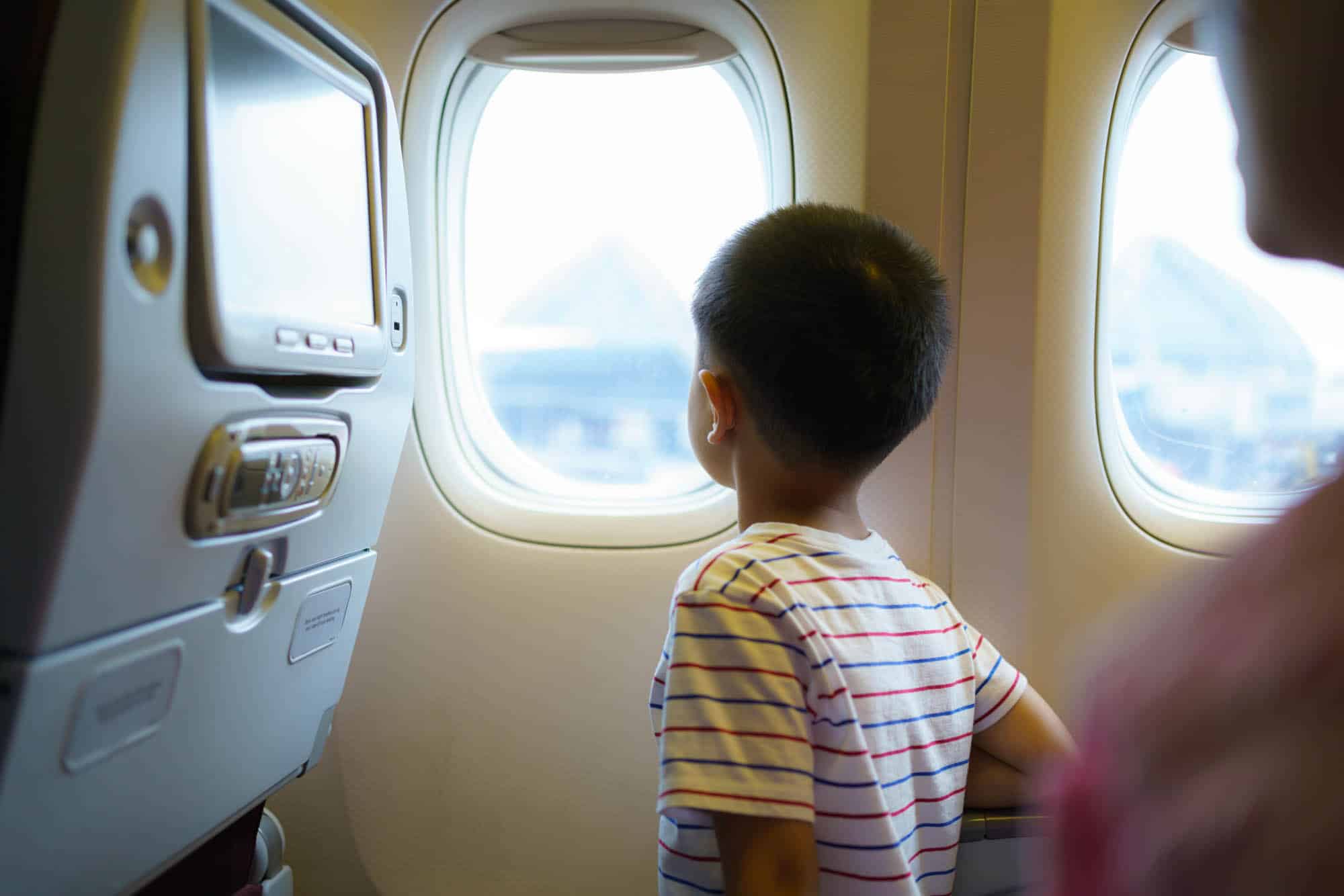
DO give window seat carte blanche on the window.
The only person who gets to control the window is the person sitting right next to it. Sure you can always ask to peek out for a few minutes, but otherwise they get to decide if the shade is up or down.
DO allow the middle seat to get both armrests.
They get so little on this plane, just let them have both the arm rests. And if you’re in the middle seat, you’re well within your rights to nudge your seat mates’ arms off the rests. They’re yours.
DO keep your voice down.
Need to speak on the phone before departure? Traveling next to your friend and want to catch up? Totally fine – but keep your voice low. Don’t be that annoying traveler. No one else wants or needs to hear your conversation just like you probably don’t want to listen to your neighbor’s conversation either.
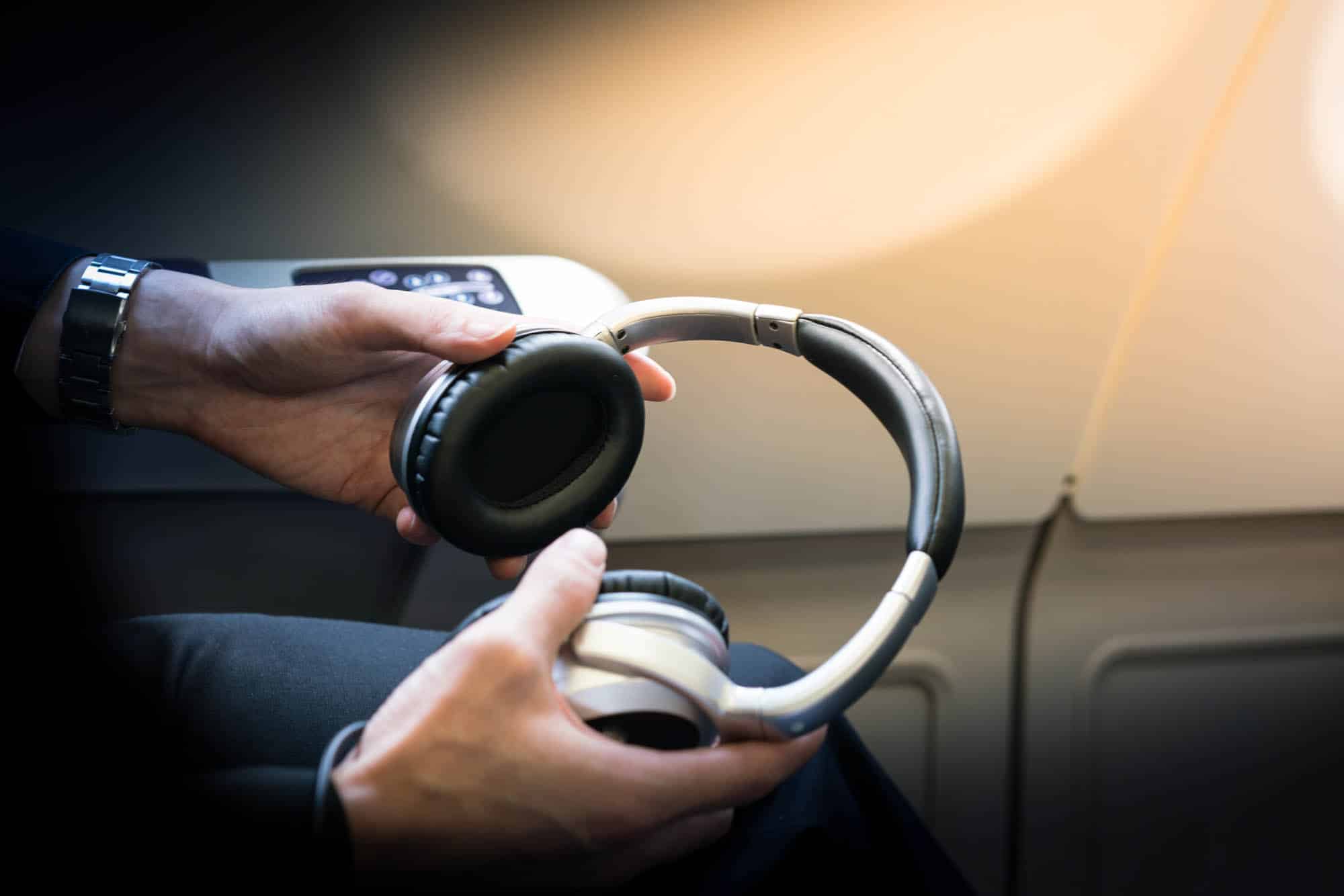
DON’T play music or video without headphones.
Bouncing off keeping your voice down – never, ever, EVER play music or movies or any sound from your technology without headphones in. I don’t know when people started thinking this was okay, but let me tell you it never was and never will be. No one needs to know your favorite song of the moment or what Tiktoks you’re watching. And no one especially needs to know what’s going on with Bluey or Paw Patrol either.
DO be conscious of smells.
I’m talking about both food and bodily smells. Don’t bring any food aboard that has a distinct smell. Airplanes are small and that smell will not only spread quickly, it’ll linger and just be unpleasant for everyone. Trust me, your greasy McDonalds meal is not going to be welcome.
This also goes for bodily smells. Hey, we can’t help what our body naturally does. But if you know you have smelly feet – keep your shoes and socks on. You might not be able to smell them, but I guarantee everyone within a four foot radius can.
DON’T try to chat with someone wearing headphones.
Airplanes can be great places to make a new friend – but only if both parties want to. If your seatmate has headphones in, don’t tap their shoulder and start talking. It’s a very clear “Do Not Disturb” sign. On the flipside, if you want to end a conversation, subtly putting your headphones in is a good way to get the message across.
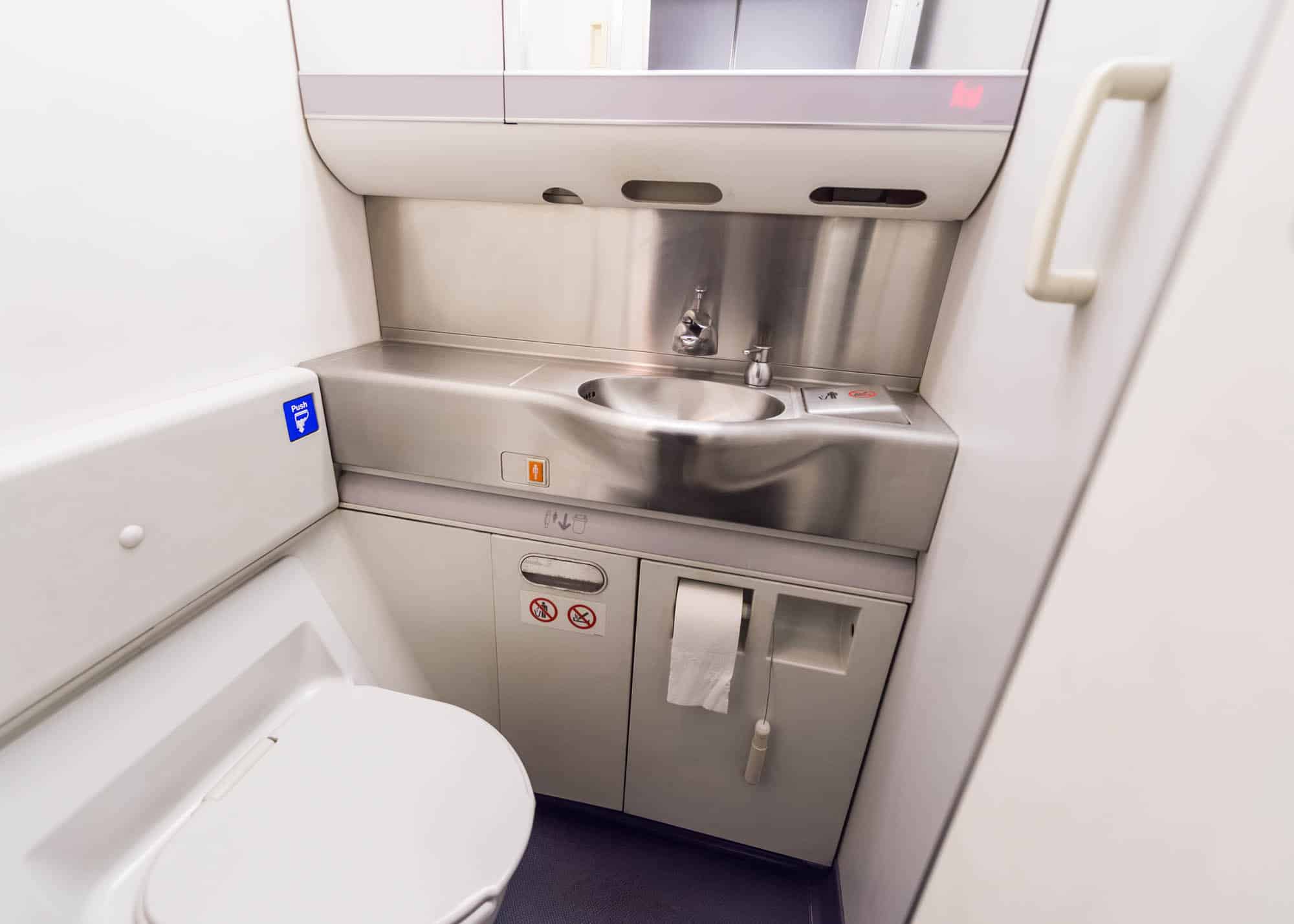
DO practice normal bathroom etiquette.
This is the part where I tell you to flush the toilet and make sure it’s flushed because there’s always that one person on the plane who apparently never learned this important life lesson.
DO always clean up after your kids.
Flight attendants are not babysitters nor are they industrial cleaners or inflight maids. Despite what you may think, they do not have a supply closet full of cleaning supplies aboard planes. In fact, I believe attendants pretty much have hand soap and wet wipes to help them clean. Yes, they’re there to help, so if your kid drops a toy; I’m sure they’ll pick it up, but never expect it from them. Likewise if they ask you to pick someone up or clean up after your kid, they’re in the right.
P.S. Never, ever let your kids draw on the airplane walls.
DON’T parent someone else’s child.
As tempting as it is to turn around and start scolding the kid kicking your seat; trust me, it’ll fall on deaf ears. The best thing to do is to find the parent and nicely (and I mean nicely, not angrily-with-a-thin-layer-of-sugar) ask them to have their child stop. If that fails, grab a flight attendant to help handle the situation.
DO follow these rules for reclining your chair.
Here are my personal rules for reclining. If a flight is under 3 hours, don’t recline. If it’s over 3 hours, recline but do so politely. Make sure the person behind you isn’t in the middle of doing anything or has a drink sitting on their table. And don’t just slam the seat back, do it gently.
Also ALWAYS remember to put it back up for meals. Usually, a flight attendant will remind you, but it’s good to keep in mind and remember to do it on your own.
DON’T pop your gum!
I mean, this also feels like a no brainer but apparently not for everyone. The sound of popping gum is universally annoying, why do it on a plane? If someone is popping their gum around you, start dramatically jumping every time it pops. Hopefully, they notice and get the hint. If they don’t, turn and ask them to please stop.
DON’T ever put your bare feet up on an arm rest.
Another etiquette rule that should be obvious. However, I had to ask someone to take their feet down on a recent flight! IF you want to prop your foot a little bit, keep it in socks or put your airplane blanket over top so there’s a healthy barrier. But never just use the armrest in front of you as your personal footstool. That’s just gross for the person in front of you; I don’t care how clean your feet are.
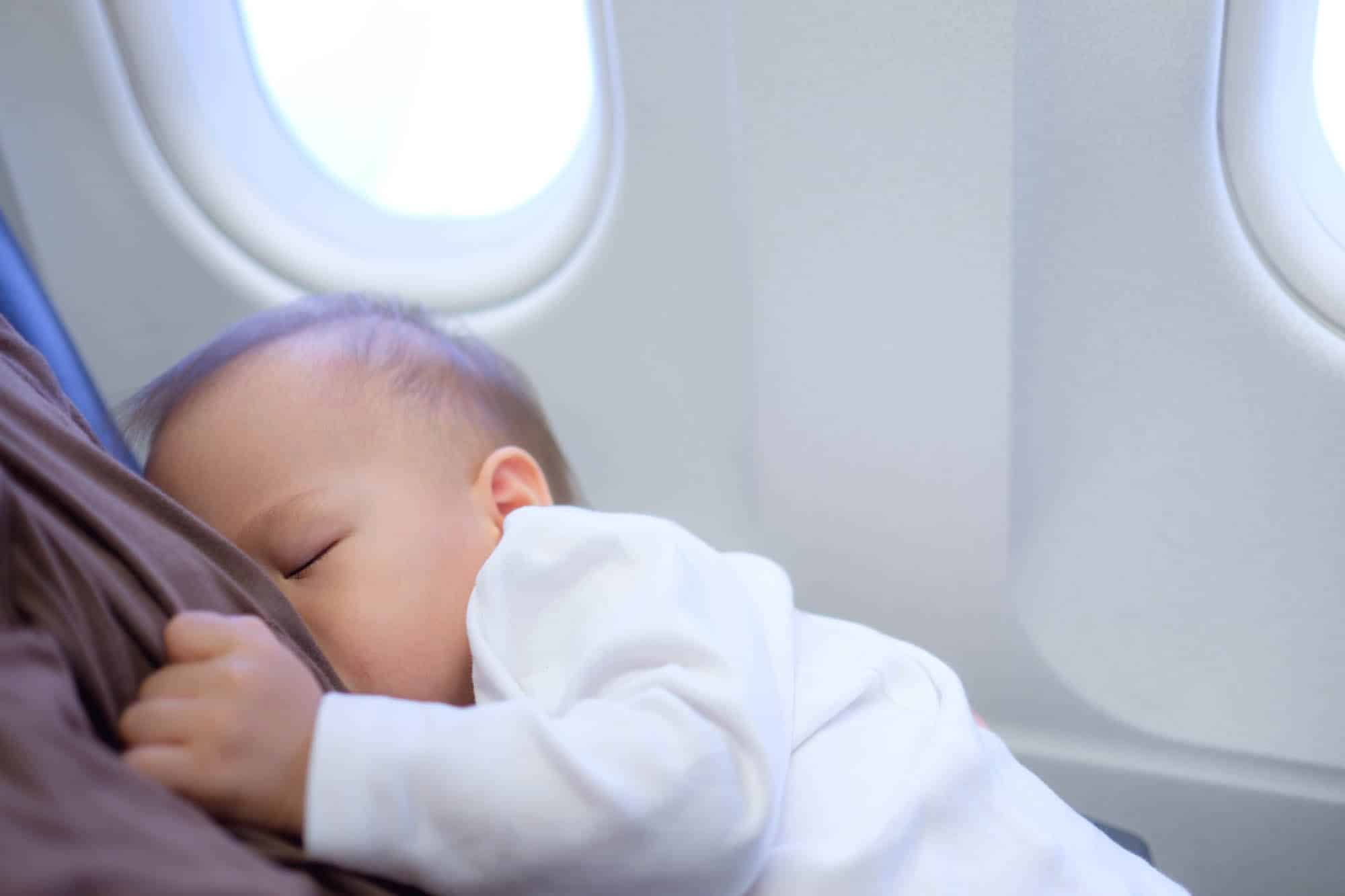
DO be kind to newborn and newborn parents.
Now I know – no one likes the sound of a baby crying. But sometimes a newborn has to fly, and there’s a parent or two doing the best they can. Babies literally cannot help themselves, and it’s not as though parents can magically get an infant to calm down. Throwing dirty looks or making rude remarks isn’t going to help anyone or anything. Just invest in some noise canceling headphones or earplugs if you truly cannot cope.
DO practice patience when disembarking.
We all know those people that bolt straight up as soon as that seatbelt sign goes off. They then try to beeline to the front only to make it about half way where they’re not only getting in everyone’s way, they’re exuding this sort of anxious impatience that makes things tenser for anyone involved.
Just be patient when disembarking. Trust me, even if you’re worried about catching another flight, rushing around will maybe cut off five minutes at most. Wait your turn. It’s like merging in traffic – if we all just followed the thread-the-needle technique, things would always run smoothly. It’s when someone cuts someone off or tries to speed up that we start getting traffic jams.
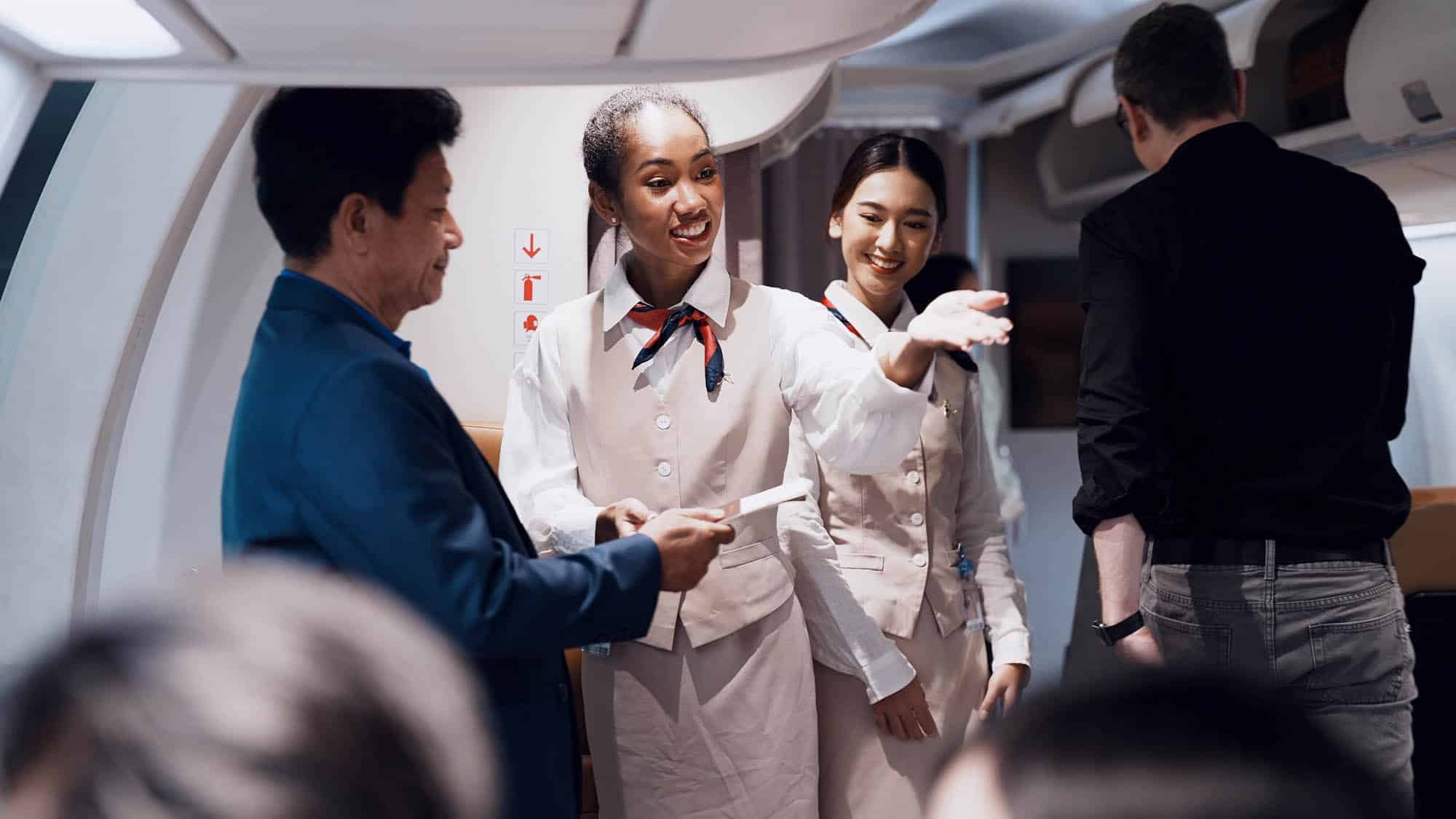
DO use good manners when interacting with anyone but especially airline workers.
I cannot emphasize this enough – always be kind when talking to a flight attendant. Even if the attendant is a little snarky with their replies, be polite. Trust me these people have to deal with a lot of crap for not nearly enough pay. A bit of kindness goes a long way.
And, of course, as a rule of thumb always say “please” and “thank you”!
DO always remain calm.
At the end of the day airplanes are public transport just like buses or subways or trains. You’re truly not in the air for more than a half a day at most. If we all just remember to remain calm, think before we react, and take a few deep breaths, we’ll be much better off. We can’t always control what happens when traveling, but we can always control our reactions.
And there you have it – my dos and don’ts for airplane etiquette! Any you’d add? Let me know below!
Tatsuya Imai saying he’s “having trouble adjusting” is one of those quotes that reads soft and lands hard. The MRI being clean gives everyone something to point to, but the underlying issue hasn’t been solved, just deferred. The phrase “fatigued arm” keeps coming up, and now there’s a more specific piece layered on top - grip strength. That’s not incidental. Grip is the last link in the chain, the point where everything transfers to the ball and one that’s been a special emphasis of the pitch design era and one I think Eno Sarris deserves a ton of credit for. When grip strength fades, it’s rarely just the hand. It’s the whole system telling you it hasn’t recovered.
Imai’s explanation goes beyond mechanics. He’s talked about travel, meals, routine, even the rhythm of the day being different. That sounds like lifestyle, but it feeds directly into recovery. Sleep quality shifts, nutrition timing changes, hydration gets inconsistent, and suddenly what used to be a stable routine in Japan becomes a variable environment. Add in different mounds, different baseballs, and a schedule that doesn’t give you the same recovery window, and “adjustment” starts to look a lot like accumulated stress.
The harder question is what he meant underneath that. Homesickness is real, but players don’t usually frame it that way publicly. More often it comes out as “adjustment,” a catch-all that covers everything from comfort to communication to whether a team is equipped to meet a player where he is. The Astros say they’re supporting him, and maybe they are, but this is where organizational infrastructure shows up. With the White Sox, the pivot point became a slightly funny but culturally real story about bidets. Would or could the Astros do something similarly important for Imai?
On the field, the fix is straightforward and difficult at the same time. More rest, maybe a skipped start, maybe shorter outings until the arm strength and grip return consistently. That’s easy to say when the rotation is intact. It’s harder when it isn’t. Right now, Houston doesn’t just have a fatigued pitcher. They have a question about whether they can integrate one.
There’s more stuff and if I haven’t convinced you at this point to subscribe, I don’t know what will. Tell you what - send me a message, tell me what it would take, and I’ll gift some one month subscriptions to the best suggestions.
 Log in



 reply
reply